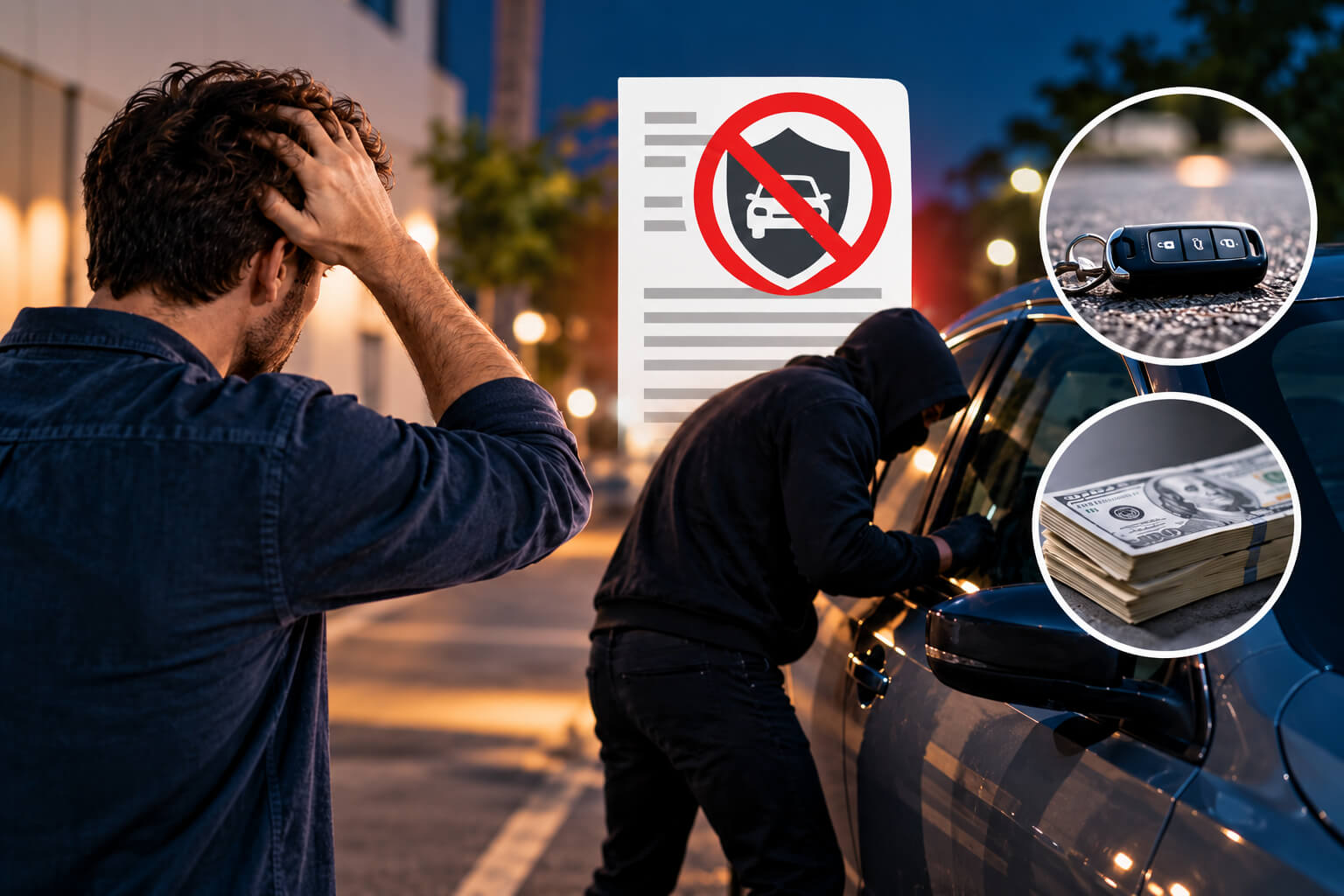
Imagine waking up, walking outside, and your car is gone. Then the second punch in the gut hits you: you have no auto insurance. Many people quietly worry about this scenario but never really ask, “What would happen if your car were stolen and you didn’t have auto insurance?”
This article explains the real‑world consequences of being uninsured when your car is stolen, how it can intersect with accident claims, and what to know about auto accident attorney fees and whether it ever makes sense to look for an “auto accident lawyer no injury” type of service.
This is general information, not legal advice. Laws vary by country, state, and even city. Always speak with a qualified attorney in your area about your specific situation.
1. What Auto Insurance Normally Does in a Theft Situation
To understand what happens when you are uninsured, it helps to know what you are missing.
A typical policy can include:
- Liability coverage – Pays for injuries or property damage you cause to other people.
- Comprehensive coverage – Pays if your car is stolen or damaged by things like fire, vandalism, weather, or animals.
- Collision coverage – Pays to repair or replace your car after a crash, regardless of fault (up to policy limits).
- Uninsured/underinsured motorist coverage – Protects you if another driver causes a crash and doesn’t have enough insurance.
In a car theft, it is usually comprehensive coverage that pays to replace or repair a stolen vehicle. If you do not carry any auto insurance at all, you do not have this safety net.
2. What Actually Happens If Your Car Is Stolen and You Have No Insurance
If your car is stolen and you truly have no auto insurance, several problems happen at once.
2.1. You must absorb the financial loss
Without comprehensive insurance:
- There is no payout to replace your stolen car.
- You are responsible for buying another vehicle out of pocket.
- If the car is later found damaged, you must pay for repairs yourself.
For many people, this can wipe out savings or force them into high‑interest loans just to get another car.
2.2. You might still owe money to a lender
If the stolen car was financed or leased, the lender usually still expects payment:
- Your monthly payments continue, even if the car is gone.
- Without insurance, you may end up paying for a car you cannot drive and a replacement vehicle at the same time.
Normally, people with loans are required by the lender to carry comprehensive and collision coverage. Driving uninsured might also violate your finance or lease agreement.
2.3. Possible legal and administrative trouble
Even if the theft itself is not your fault, being uninsured can create extra issues:
- In some places, authorities will discover your uninsured status when you report the theft.
- You may face fines, registration problems, or even license suspension for not carrying required minimum coverage.
- If the thief causes a crash, you might have to deal with questions from police, insurers, or lawyers, even if you did nothing wrong.
While owners are not automatically liable for what a thief does with a stolen car, you might still get dragged into the investigation or potential civil claims and need legal advice to protect yourself.
3. What If the Stolen Car Is Involved in an Accident?
This is where things get stressful very quickly.
3.1. Are you responsible for damages?
In most legal systems, a car owner is not usually responsible for an accident caused by a thief, because the thief did not have permission to use the vehicle.
However, there are important exceptions in some places, such as:
- If you left the keys in the car in a risky situation.
- If you knowingly allowed an unlicensed or unsafe driver access to the vehicle.
- If there is evidence you were careless in securing the car and local law recognizes a duty.
In complex cases, victims of the crash (or their insurers) may try to argue you share some blame. This is when many people start looking up auto accident attorney fees to see if they can afford help.
3.2. What if you were already uninsured before the theft?
Being uninsured at the time of the theft can create a paper trail that harms you in other ways:
- If you previously drove that car without insurance, you could face separate penalties for that period of time.
- If you later get into a crash while driving a different uninsured vehicle, courts and insurers might view you as a repeat violator, which can affect penalties and negotiations.
4. Auto Accident Attorney Fees: How Do Lawyers Charge?
If your stolen car ends up in a crash, or you are involved in another uninsured accident, you might wonder whether you can afford a lawyer. Understanding auto accident attorney fees helps you plan.
4.1. Contingency fees
Most personal injury lawyers use a contingency fee system for injury claims:
- You do not pay upfront.
- The lawyer receives a percentage of the settlement or judgment if the case is successful.
- Common percentages range from about one‑third to 40%, depending on complexity, risk, and whether the case goes to trial.
This structure is common when someone is injured, and the claim involves medical bills, lost income, and pain and suffering.
4.2. Costs vs. fees
It is crucial to understand the difference:
- Attorney fees – What the lawyer earns for their time and skill.
- Case costs/expenses – Filing fees, expert reports, medical records charges, travel, depositions, etc.
Some agreements have the lawyer advance these costs and get reimbursed from any recovery. In others, the client pays as the case progresses. Always read and ask questions about the fee agreement before signing.
4.3. Hourly and flat fees
Not every case is suitable for a contingency fee. Lawyers might charge hourly or offer flat fees for issues such as:
- Defending you if someone claims you are partly liable for a crash involving your stolen car.
- Advising you in property‑damage‑only cases.
- Helping you with insurance coverage disputes or license suspension hearings.
In those situations, the lawyer may ask for a retainer (upfront deposit) billed against their hourly rate.
5. “Auto Accident Lawyer No Injury”: Do You Need a Lawyer if No One Was Hurt?
Many people search for “auto accident lawyer no injury” after a minor crash or a property‑damage dispute. The situation is different from a serious injury claim.
5.1. When you might still want legal help
Even if no one was hurt, a lawyer can sometimes help when:
- The other driver blames you, and you strongly disagree.
- The insurance company is denying or delaying payment for your vehicle damage.
- Your car is new or high‑value, and you are fighting for diminished value (the loss in resale value after a crash).
- Your license, registration, or insurance status is under scrutiny, and penalties could be severe.
In these cases, some attorneys offer:
- Short, paid consultations to review your options.
- Limited‑scope representation, where they help with specific steps (letters, negotiation, or small‑claims preparation) rather than taking over the entire case.
5.2. When hiring a lawyer might not be cost‑effective
Sometimes, paying a lawyer costs more than the dispute is worth, especially for:
- Very small dents and scratches.
- Clear‑cut liability situations where your insurer is cooperating.
- Claims easily handled in small‑claims court without formal representation.
Because auto accident attorney fees and costs can quickly exceed the value of a small property claim, many people handle minor matters themselves, using legal advice only if needed.
6. Practical Steps If Your Uninsured Car Is Stolen
If you are in the worst‑case scenario right now—your car was stolen and you had no auto insurance—there are still important steps to take.
- Report the theft to the police immediately. Provide all details: time, location, last known condition, license plate, VIN, and any tracking information.
- Notify your lender or leasing company, if applicable. They need to know the vehicle is missing and may have their own procedures.
- Put everything in writing. Keep copies of police reports, correspondence, and any expenses related to the theft.
- Consider speaking with a local attorney. If the car is later involved in a crash, or you are questioned about your insurance status, a lawyer can:
- Explain your rights and potential exposure
- Help you respond to letters from insurers or other drivers
- Advise you if a civil claim or lawsuit appears
- Avoid admitting fault or legal conclusions. When talking to others involved, police, or anyone claiming damages, stick to the facts. Do not guess about laws, liability, or admit you “must be responsible” without legal advice.
7. How to Protect Yourself Going Forward
The best way to handle this situation is to avoid it entirely:
- Meet at least the legal minimum insurance requirements in your area.
- Strongly consider comprehensive coverage if theft, vandalism, or storms are common where you live.
- Keep your vehicle locked, avoid leaving keys or valuables inside, and use anti‑theft devices when possible.
- If money is tight, compare policies, raise deductibles, or adjust optional coverages, but never drop mandatory insurance entirely.
Being uninsured may feel like a cost‑cutting measure, but if your car is stolen or you are involved in a crash, the financial and legal fallout can be far more expensive than regular premiums.
Final Thoughts
Understanding what would happen if your car were stolen and you didn’t have auto insurance should be a wake‑up call. You could:
- Lose your vehicle with no compensation
- Still owe money to a lender
- Face legal and administrative penalties for being uninsured
- Get pulled into accident investigations if the thief crashes your car
In serious or complicated situations, especially when injuries or large financial claims are involved, it is wise to learn how auto accident attorney fees work and decide whether consulting a lawyer is worth it for your case. In smaller, “auto accident lawyer no injury” scenarios, a brief consultation or limited advice might be enough, but sometimes you can handle things yourself.
Because the rules and risks vary widely by jurisdiction, your safest move is to speak with a qualified lawyer in your area and maintain at least the minimum required auto insurance so you are not left unprotected when life goes wrong without warning.